


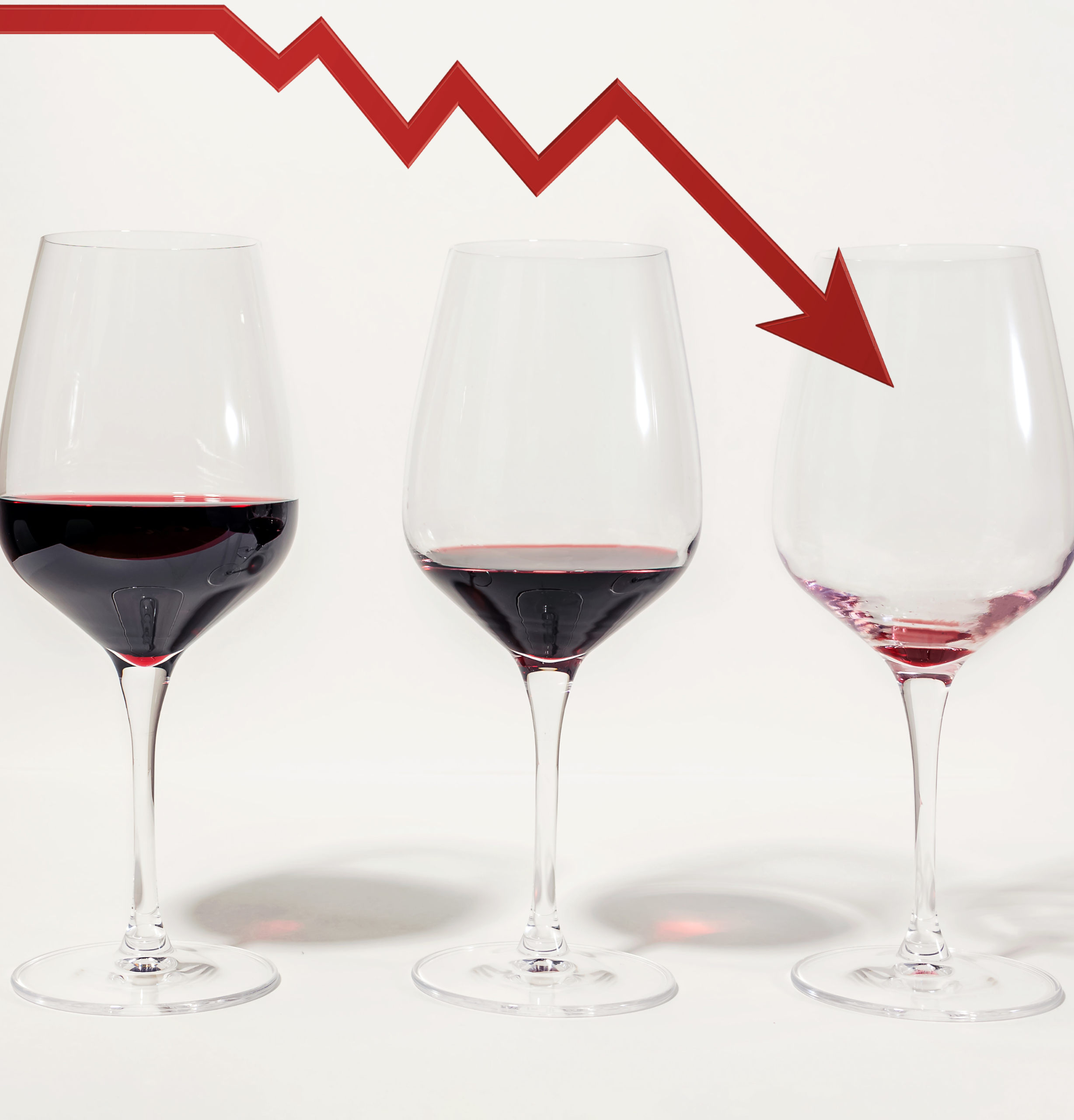
The Sinclair Method (TSM) was developed by Dr. John Sinclair in the 1980s and is now widely recognised as an effective way to reduce alcohol intake—without requiring complete abstinence.
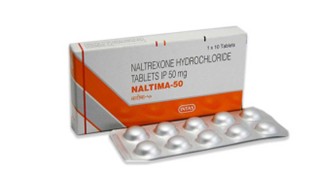
At the heart of the method is Naltrexone, a medication that helps reduce the brain’s “reward” response to alcohol. When taken one hour before drinking, Naltrexone works by blocking the release of Dopamine—the feel-good chemical that reinforces the habit of drinking. Over time, this helps retrain the brain, making alcohol feel less rewarding and easier to cut back.
Backed by Evidence and Clinical Guidelines
Dr. Sinclair’s theory has stood the test of time, and the results speak for themselves. In fact, NICE (the National Institute for Health and Care Excellence) recommends Naltrexone as a treatment option for people looking to reduce their alcohol use.
At DTXIFY, we’re proud to say we go above and beyond the minimum NICE standards, providing expert support throughout your treatment journey.
What You’ll Need to Get Started
Before starting the Sinclair Method, you’ll need to complete a Liver Function Test (LFT) to make sure your liver is in good shape. This simple blood test is a routine part of ensuring Naltrexone is safe for you—and it will be repeated once treatment begins.
Interested in the Sinclair Method?
If you’d like to know whether this approach is right for you, book your FREE 15-minute triage consultation. It’s confidential, quick, and available online or by phone—on your terms.


